
As someone working in environmental sustainability, it can be challenging to remain positive. The climate crisis, nature crisis, pollution crisis, worst ever, hottest ever, greatest ever… it is easy to slip into a doomster state of mind. A year ago, four friends and I decided to do something to contribute, something to reverse the decline in biodiversity in the UK, something to help nature recover and thrive. We would deliver a biodiversity scheme and deliver improved habitat for wildlife.
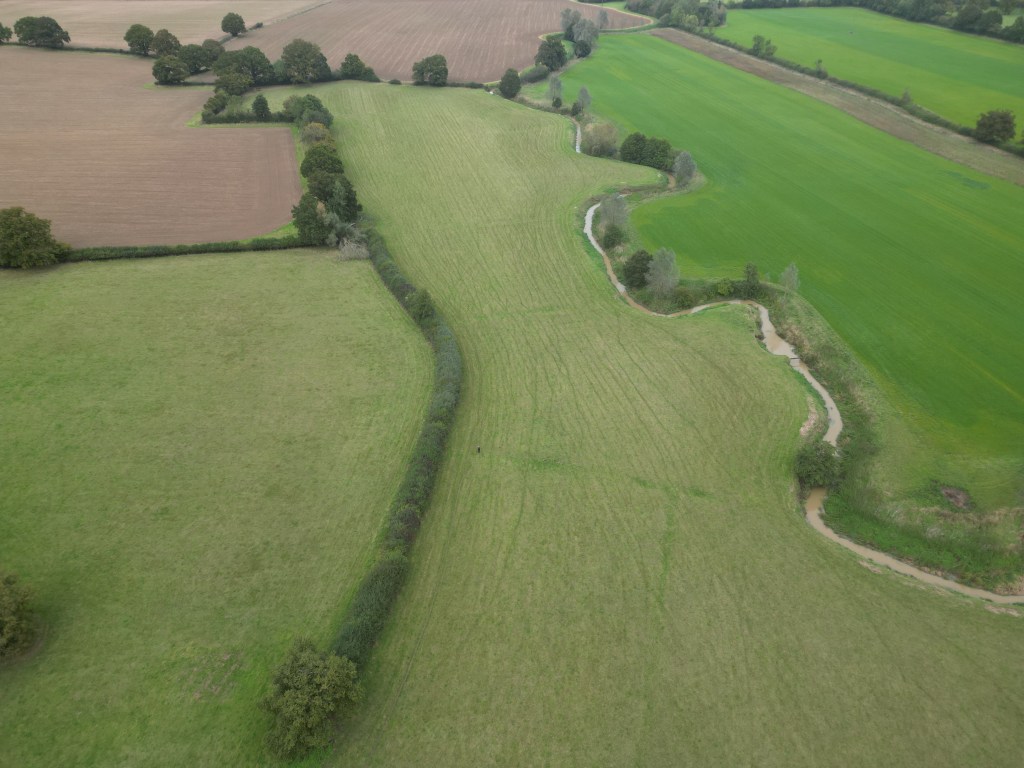
It took nearly a year to find and buy the field of our dreams. 20 acres of low grade pasture in Kent, not far from where I live. A field that has been grazed by sheep for many years, and is dominated by a boring sward of rye grass. The plan is to work with Adonis Blue Environmental Consultancy (the ecological consultancy arm of Kent Wildlife Trust) to design a scheme to enhance the biodiversity of the site. The first step in that process is to ‘baseline’ where we are starting from. Cue surveys – soil and ecological – and a chance to fly a hobby drone over the site and take some video too.
We are planning to generate ‘biodiversity units’ from the scheme. The Environment Act 2021 created a requirement on developers to achieve ‘biodiversity net gain’. They must follow a strict mitigation hierarchy, and seek to deliver biodiversity improvements within the footprint of their development, but where they are unable to achieve a ten percent net gain, then they can meet their obligation by purchasing off-site biodiversity units. From schemes like ours. All good in theory, but this is a new market. The obligation on developers has only come into force from this year and all the actors are doing things for the first time. We will be amongst the first to take a scheme through the process. I would like to see others invest in nature recovery, so felt there was an opportunity to share our experiences as we navigate the processes.
It is far from certain that there will be demand for our biodiversity units. There have been almost no transactions in Kent or Sussex since the obligation came into force six months or so ago. At worst, this will be our personal project that we enjoy, makes a bit of Kent a bit more wonderful, and that we visit and enjoy seeing the wildlife return. At best, we do manage to sell some biodiversity units. If we do, we are all agreed that we will plough the proceeds back into another nature positive project.
To generate biodiversity units you have to have a baseline score for the initial condition of the land, and a score for a realistically achievable target habitat. The difference is the number of units that the scheme generates. Sign off the baseline score, agree a management plan to achieve the target habitat, enter into a legal agreement to manage the land to achieve the target habitat for 30 years, and you can generate the biodiversity units to sell. Simple….
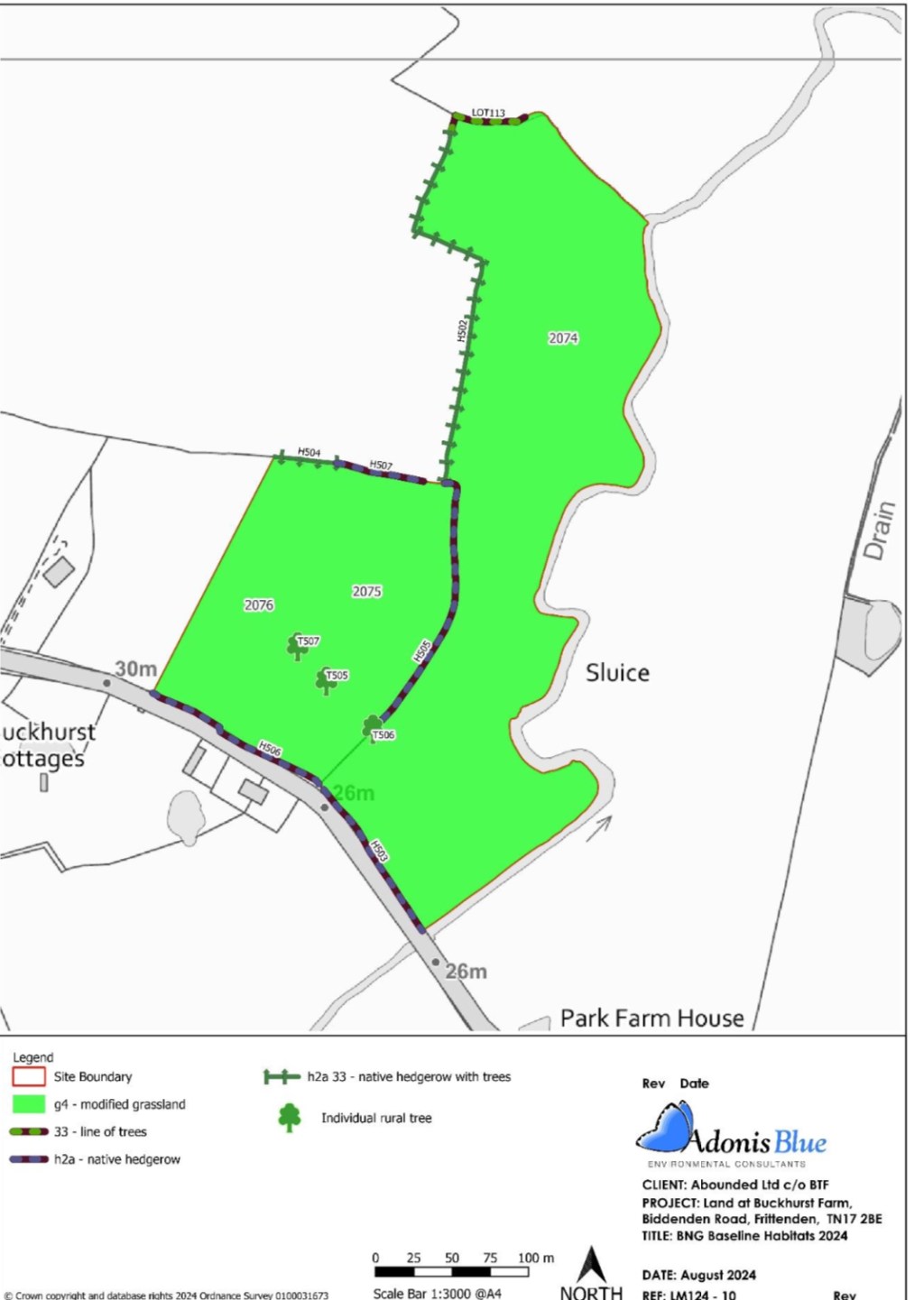
Step one is the baseline report. The assessment is undertaken by a competent body, in line with the guidance produced by Defra and Natural England. The survey confirmed what we had expected. The grassland was in poor condition and with low distinctiveness. Perversely, that is good news, as it means there is a lot of room for improvement. The report also identified the condition of the existing hedgerows (mostly moderate) and the three standard trees (good condition).
 Abounded
Leave a comment